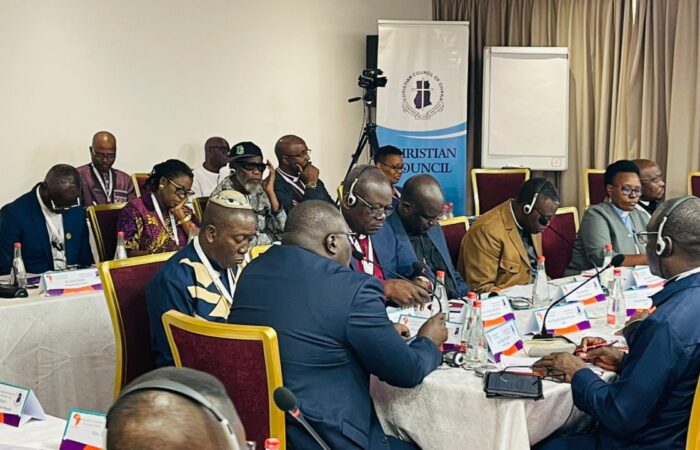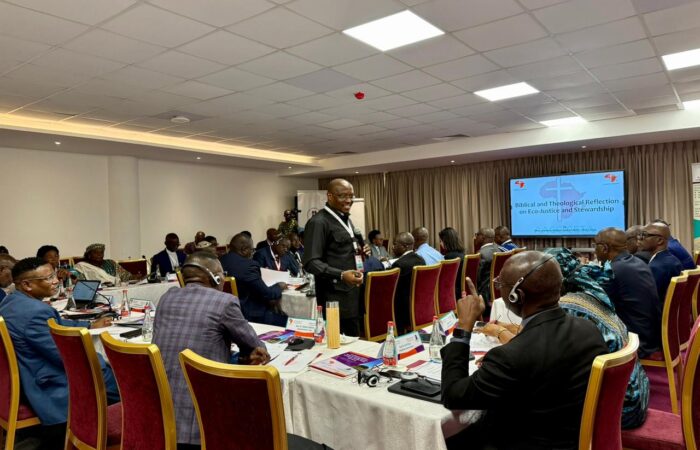
𝘈𝘤𝘤𝘳𝘢, 𝘎𝘩𝘢𝘯𝘢 – 𝘔𝘢𝘺 19, 2026 — The Moderator of the Evangelical Presbyterian Church, Ghana (EPCG), Rt. Rev. Dr. Lt Col. Bliss Divine Kofi Agbeko (Rtd.), who also serves as Chairman of the Christian Council of Ghana (CCG), has issued a clarion call for intensified faith-based advocacy in confronting Africa’s deepening ecological and economic challenges.
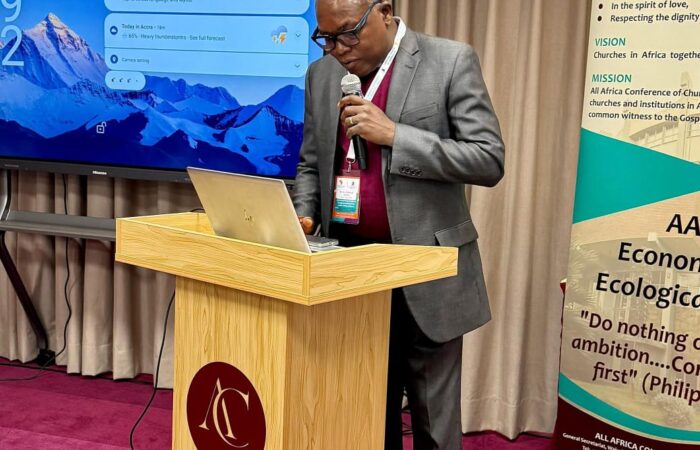
Delivering his welcome address at the opening of the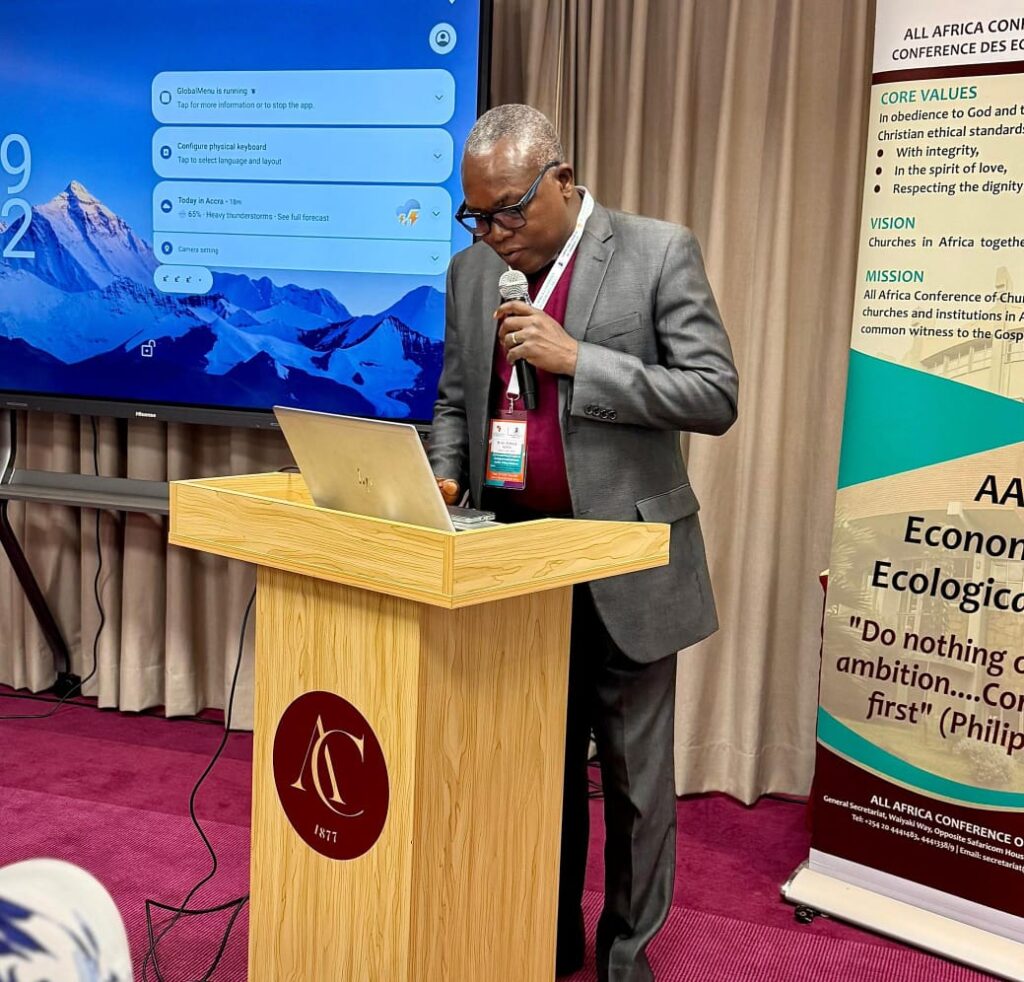 Continental Roundtable Discussion on Ecological and Economic Justice at the Accra City Hotel, Rt. Rev. Agbeko underscored the urgency of coordinated responses to the continent’s mounting pressures. Convened with the support of the All Africa Conference of Churches and ecumenical partners, the gathering is themed: “Aligning Faith-Based Advocacy with the Changing Ecological and Economic Development Landscape.”
Speaking to delegates drawn from across Africa, Rt. Rev. Agbeko described the roundtable as both timely and necessary, noting that climate change, environmental degradation, food insecurity, unemployment, migration pressures, and widening inequality continue to afflict millions of vulnerable Africans.
“In the midst of these realities, the Church cannot remain silent,” he declared. “Faith-based institutions have a moral and prophetic responsibility not only to preach hope, but also to advocate for justice, dignity, accountability, sustainability, and the protection of God’s creation.”
He emphasized that churches must move beyond rhetoric to embrace practical, people-centred advocacy capable of influencing policy and transforming lives. He further challenged faith leaders and development stakeholders to rethink how the Church can remain relevant and transformative in a rapidly changing world.
Rt. Rev. Agbeko reaffirmed the Christian Council of Ghana’s commitment to promoting justice, peace, sustainability, and ethical leadership** through ecumenical engagement and advocacy. He stressed that addressing Africa’s ecological and economic crisis will require collaboration, courage, innovation, and renewed commitment from churches, governments, civil society, and development agencies.
The roundtable has brought together church leaders, ecumenical organizations, climate justice advocates, development practitioners, and policy stakeholders to deliberate on practical pathways for strengthening faith-based responses. Participants are expected to develop strategic recommendations to advance climate justice, sustainable development, economic inclusion, and environmental stewardship across the continent.
Welcoming delegates to Ghana, Rt. Rev. Agbeko extended the nation’s traditional greetings, “Akwaaba” and “Mia woezor,” affirming Ghana’s hospitality and the spirit of fellowship that undergirds the conference.
The sessions continue with panel discussions, advocacy engagements, and strategic consultations aimed at building a more just, peaceful, and sustainable Africa.