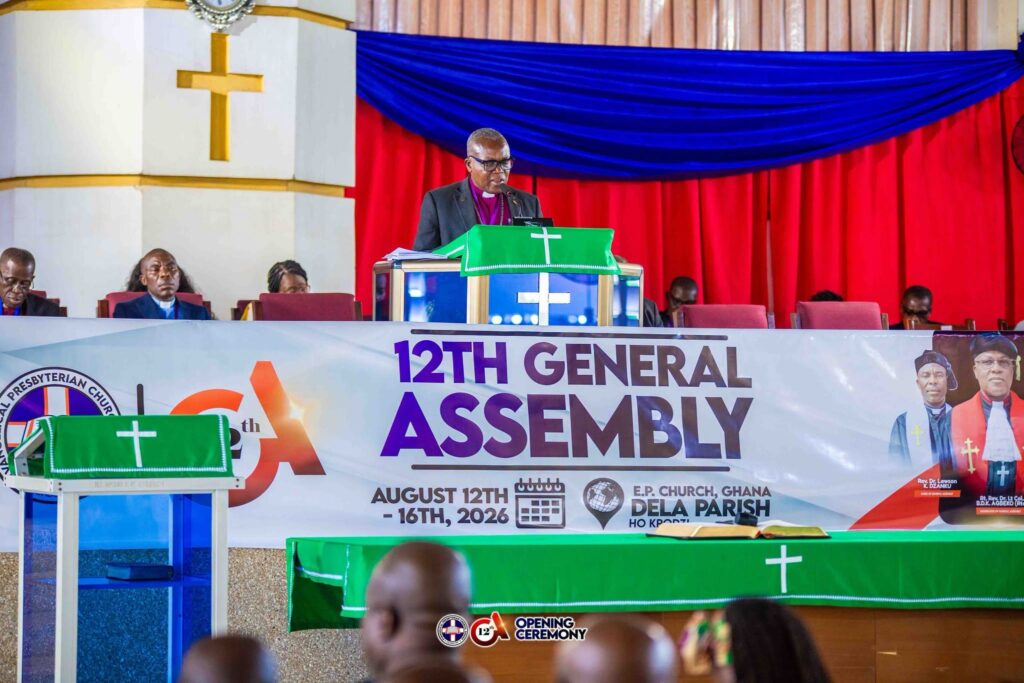
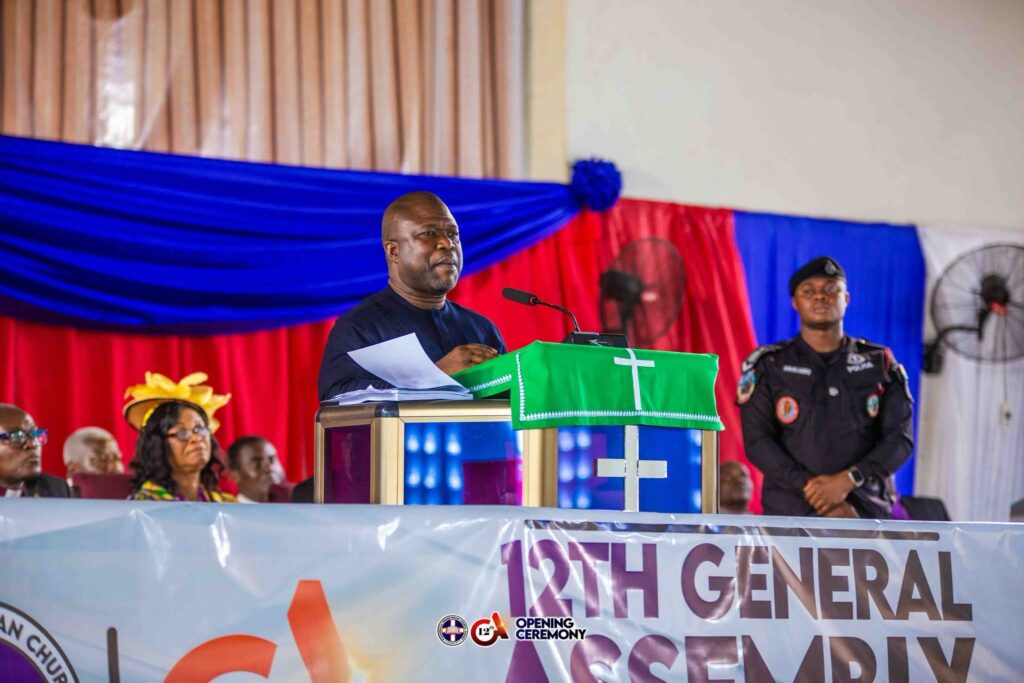
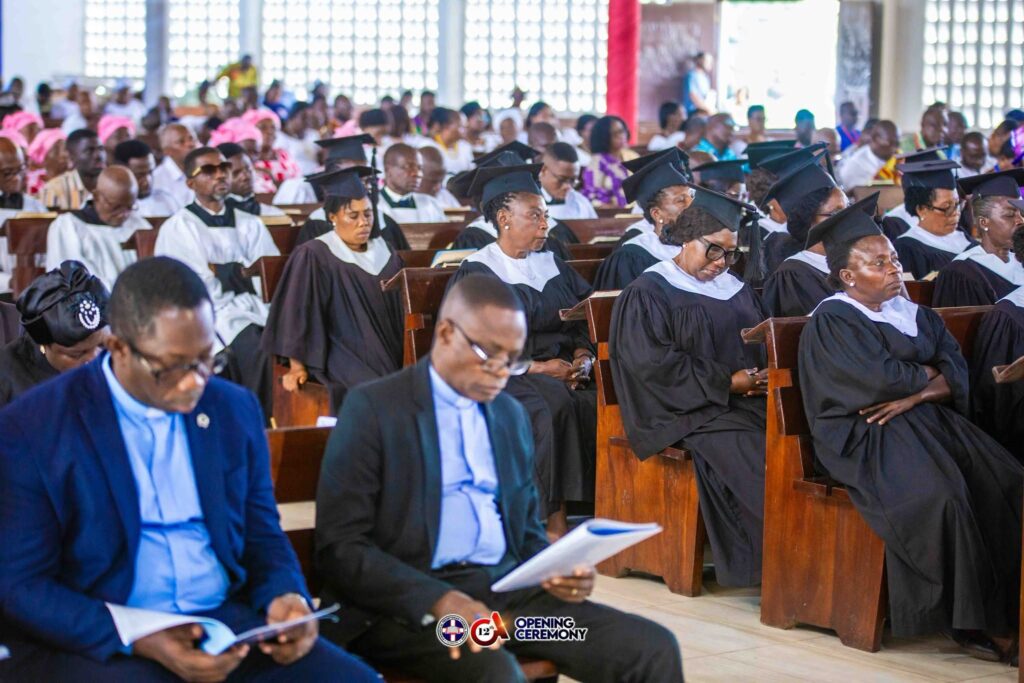
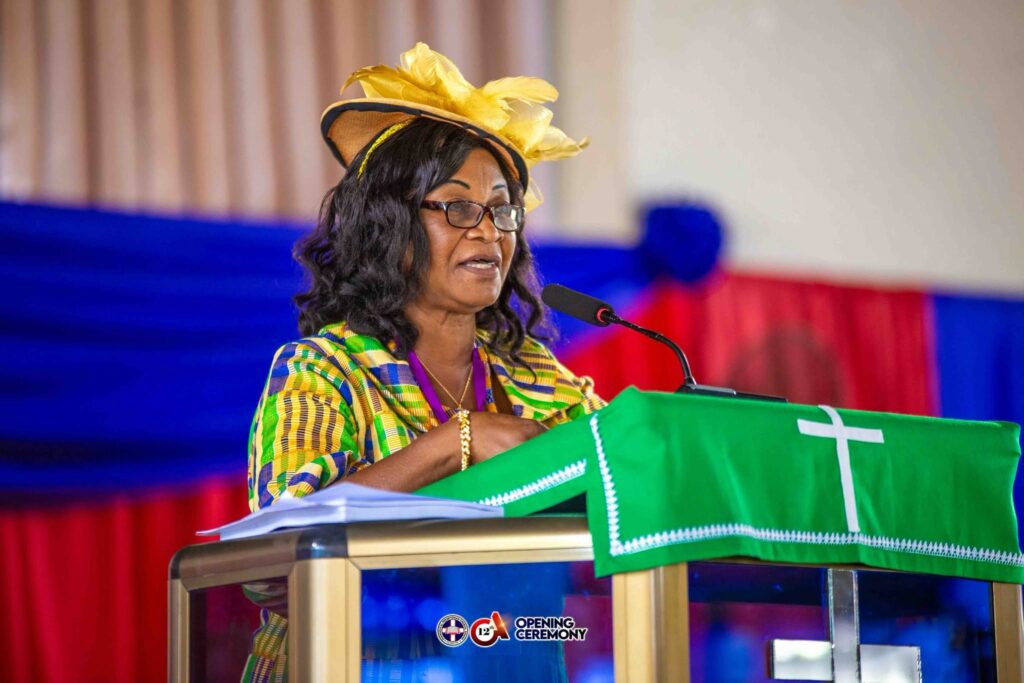
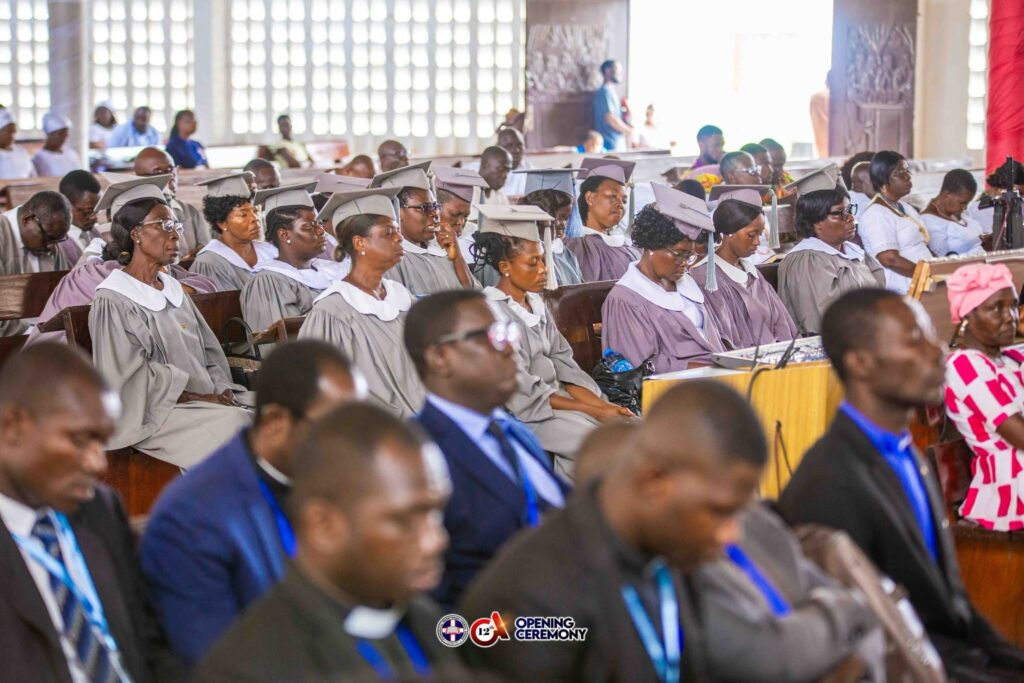
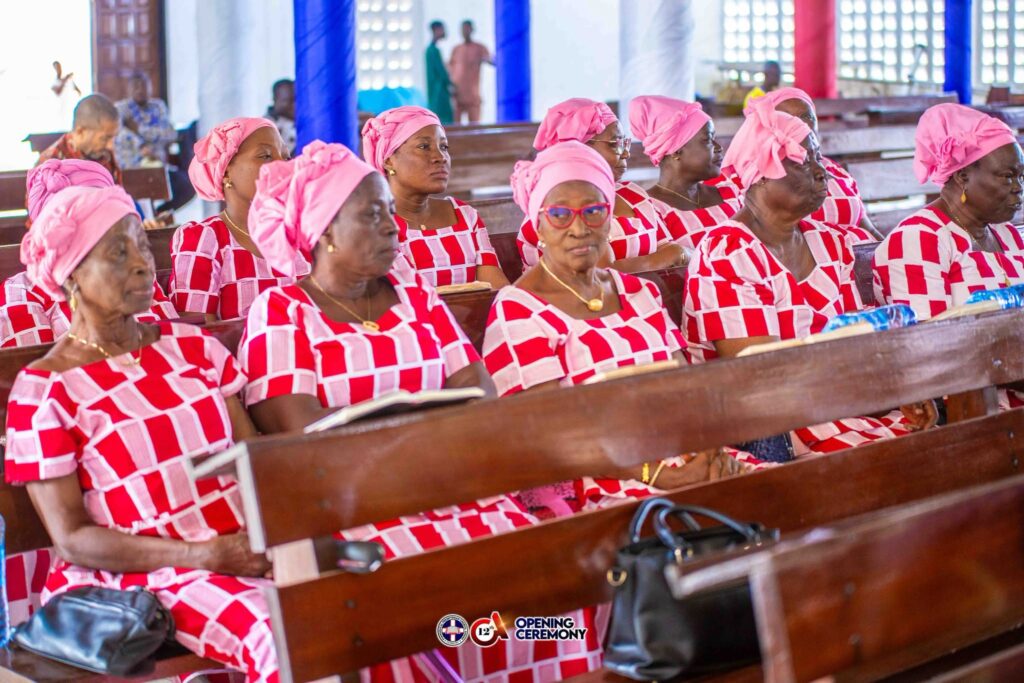
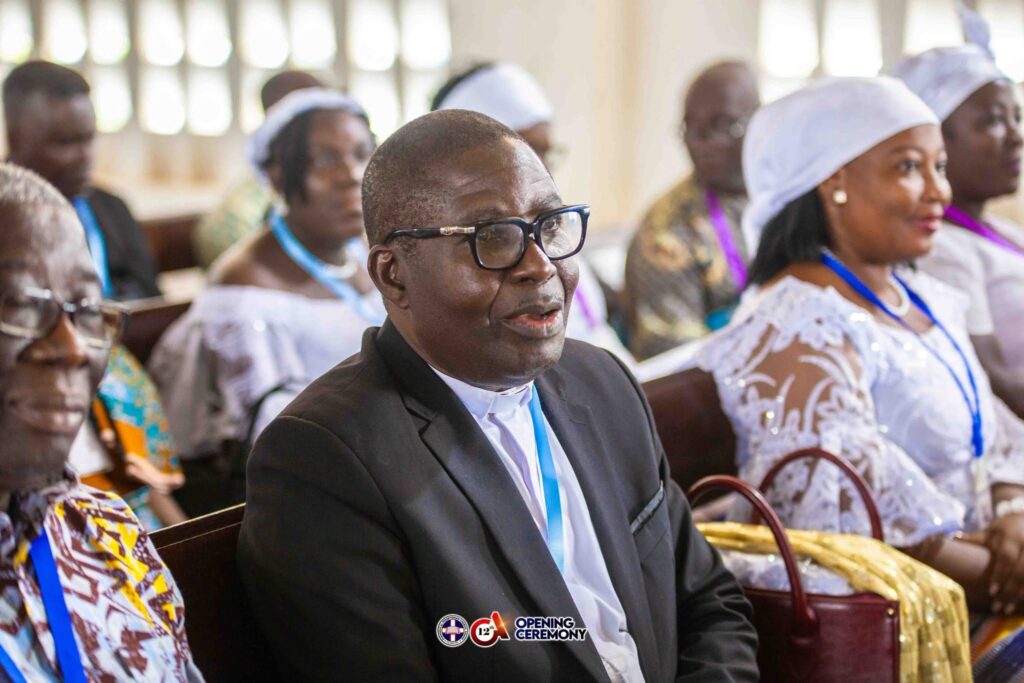
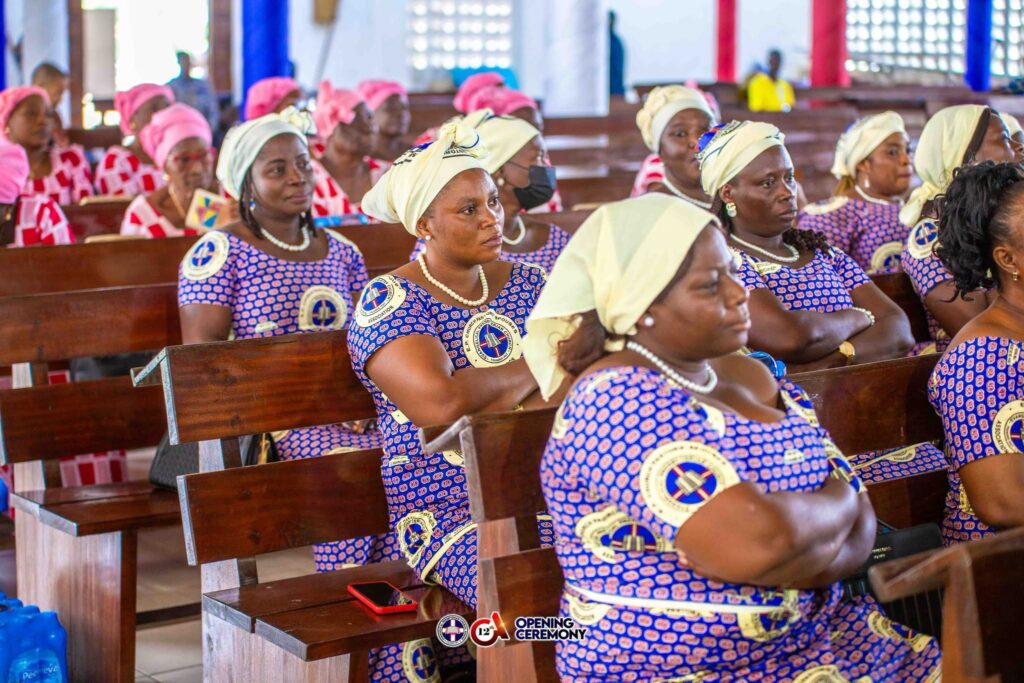
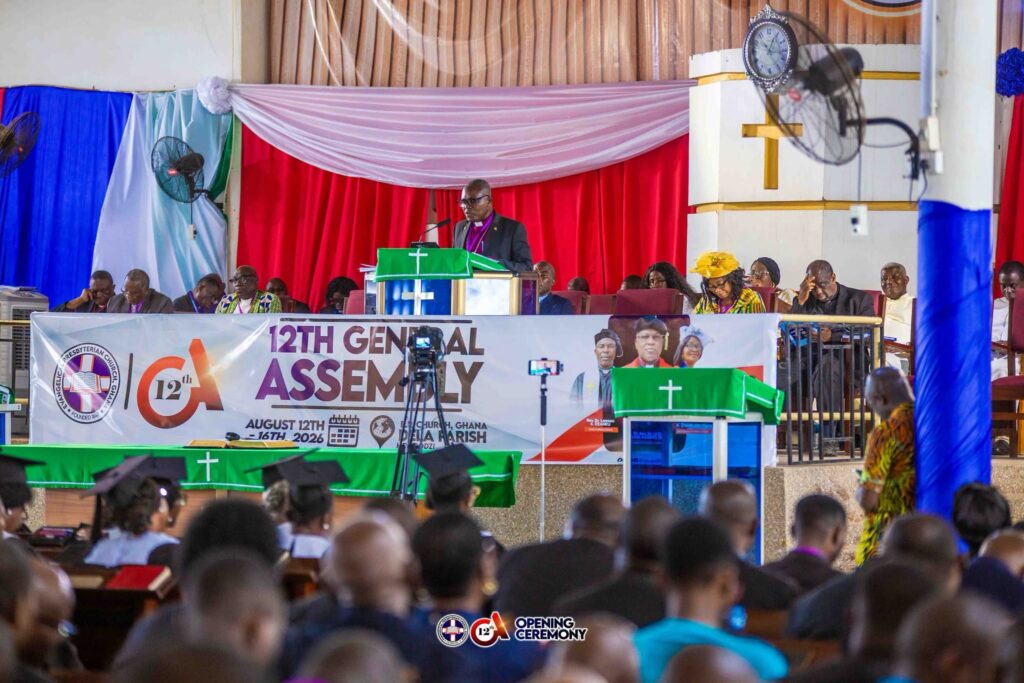
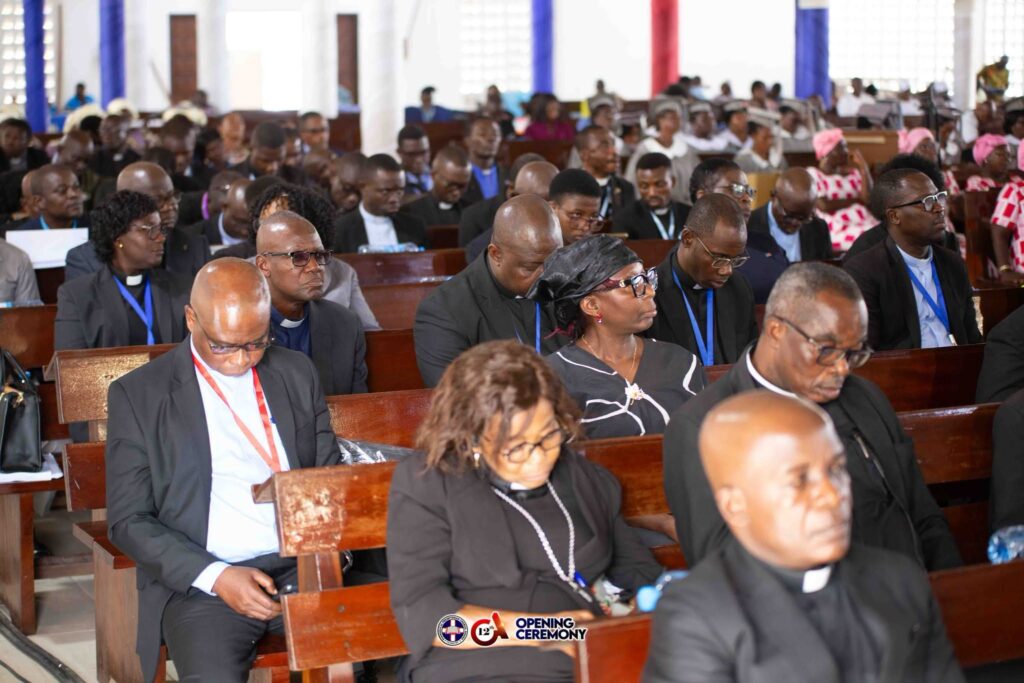
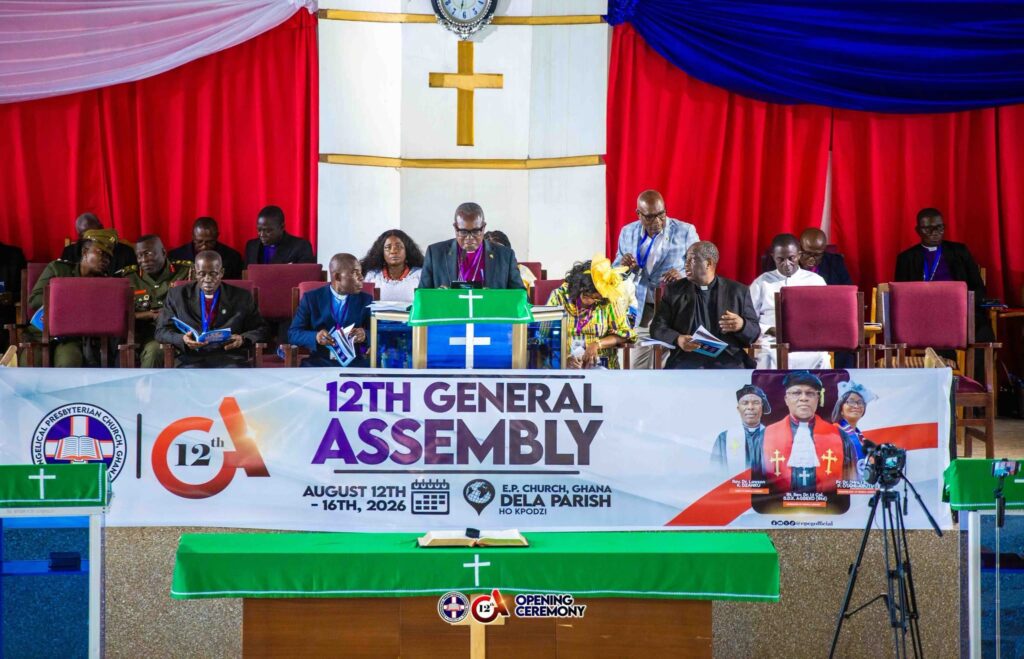
 The 12th General Assembly of the Evangelical Presbyterian Church, Ghana (EPCG) has successfully concluded its deliberations, adopting 16 major decisions aimed at strengthening the governance, mission, administration, and institutional development of the Church.
A major highlight of the Assembly was the election of Rev. Prof. Frederick Mawusi Amevenku as the next Moderator of the General Assembly. He is expected to assume office on 1 January 2027 and serve until 31 December 2032. The Assembly also received with gratitude the Moderator’s Address and commended it to Presbyteries, Districts/Parishes and Congregations for study and implementation. It further expressed appreciation for the achievements recorded under the outgoing Moderator’s leadership, Rt. Rev. Dr. Lt Col Bliss Divine Kofi Agbeko (Rtd.), particularly in evangelisation and mission, the use of modern technology, reduction of the Church’s debt burden, the Prime Water project, empowerment of ministry wings and the legacies of the 175th Anniversary celebrations.
In a significant governance decision, the Assembly mandated an urgent review of the EPCG Constitution and Manual of Order. The review is expected to address, among other matters, the nomination and election of principal office bearers, election of Synod Moderators, the composition and size of the General Assembly Executive Council, grievance procedures and mechanisms for the transfer of Church agents. The Assembly endorsed a nine-member Ad Hoc Constitutional Review Committee, chaired by Presbyter Mrs. Doris Wunu, with a mandate to consult stakeholders, consider memoranda and inputs, develop proposed amendments and submit the final document through the General Assembly Executive Council to the 13th General Assembly for consideration and promulgation. The review is expected to run from the 12th General Assembly until the 13th General Assembly in August 2028.
The Assembly also resolved to review the Fund Gathering Policy within twelve months, with particular attention to its effectiveness in strengthening the Church’s finances, meeting institutional obligations and adequately compensating Church agents. The review will also consider reducing the frequency of fundraising activities and celebrations while ensuring that the views of a broad cross-section of the Church are taken into account. In addition, the Assembly decided that extraordinary Synods and General Assemblies should not be counted when synchronising the numbering of Synod meetings and General Assemblies.
On ministerial formation, the Assembly called for a comprehensive review of ministerial training, scope and formation to respond more effectively to contemporary congregational needs. For the time being, ministerial training is to be focused on Trinity Theological Seminary, while recognising the continuing contribution of Peki Theological Seminary to the formation of catechists and musicians, continuing education and short courses. The Church is also expected to work towards securing and maintaining the necessary accreditation and recognition for Peki Seminary.
The 12th General Assembly further adopted a number of key policies for immediate use. These include the Youth Policy, Tent Ministry Policy, Agents’ Remuneration Policy, EPCG Business Development Policy, Church Properties Policy, Communication Policy, and Online Worship, Digital Communication and Social Media Policy. These decisions provide important policy direction for the Church’s ministry, administration, communication, property management, remuneration, youth engagement and business development.
The Assembly also accepted the Health and Finance Policy and the Education Policy for use, while referring their formal consideration for adoption to the 13th General Assembly.
With these sixteen decisions, the 12th General Assembly has set a clear agenda for the continued transformation and strengthening of the Evangelical Presbyterian Church, Ghana. The decisions emphasize responsible governance, institutional reform, effective ministerial formation, sustainable financing, policy development, digital engagement and the strengthening of the Church’s mission.
The outcomes of the Assembly are therefore expected to provide a significant framework for the Church’s work between the 12th and 13th General Assemblies, while laying the foundation for further reforms and strategic interventions in the years ahead.
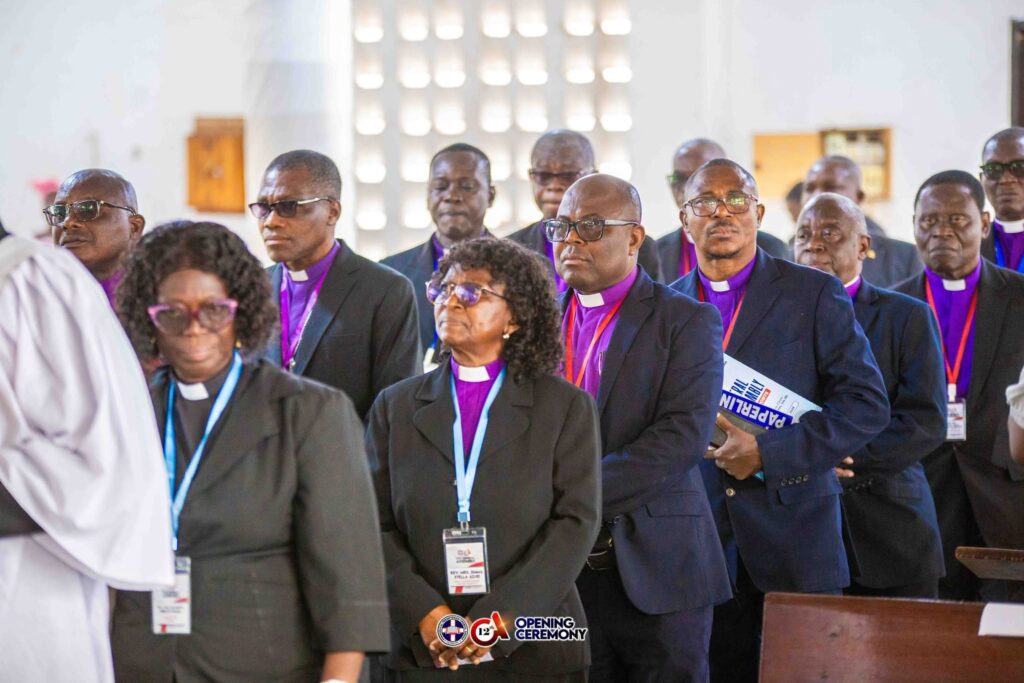



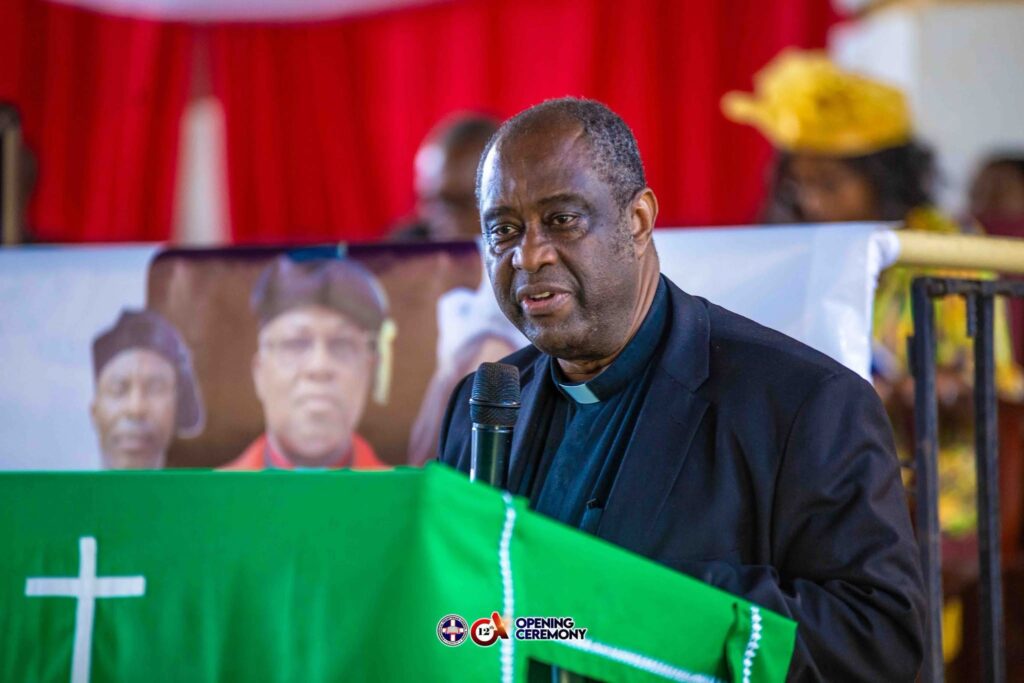
Hallelujah, we praise the Lord God almighty for the leadership He chooses for us from time to time. The EP CHURCH can only get better, from strength to strength and wider to wider sending the light to where is darkness indeed.
May God bless all the leaders with good health, wisdom, innovation and creative ideas forever and ever in Jesus name. Amen